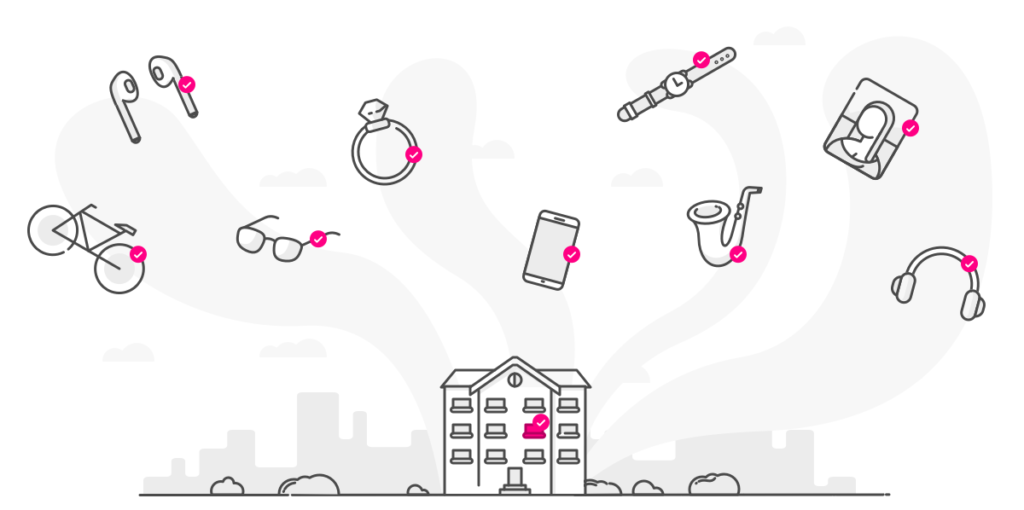
If you rent, then you need tenant’s insurance. Landlord’s insurance only covers the property, not you or your possessions. Furthermore, tenants can sometimes be held liable for damages to a rental property, even if accidental. The cheap renters’ insurance Florida residents are looking for is easy to sign up for online. However, you should know what your policy covers and what it does not. Choosing the right policy for your needs might mean getting more insurance under different plans, but not necessarily.
Cheap Renters Insurance Florida Tenants Need
First, we will look at what basic renters insurance in Florida is from https://floridainsurancequotes.net/renters-insurance/cheapest-renters-insurance-florida/ usually covers. Then, we will discuss a few options that only apply to specific situations.
Renters’ insurance generally covers fire (and smoke), vandalism, theft, and water damage due to plumbing. Some policies carry limited liability regarding others’ injury or loss of property, but the coverage is minimal. Those claims generally apply to the landlord. Circumstances may force you to rent another property for a limited time. For example, your insurance may reimburse you for those rental costs after a fire.
Extra Protection Is Available
While renters insurance is always good, your situation may require extra precautions. For example, a basic policy only covers the loss of electronics like laptops and phones under certain circumstances. Furthermore, valuables deserve special attention. In some cases, Extended Coverage may be all you need. However, if the value of your grandma’s antique tea set exceeds your coverage, consider getting specialty insurance separately. Suppose you have many electronics or depend heavily on them for work or other reasons. In that case, extended or personal property coverage is probably a good idea.
Note that damage from earthquakes and floods is rarely covered but is available separately. Also, the renter’s insurance does not cover structures you may have added to the property, like sheds or fences. If you feel you need some additional coverage, ask your agent about the details of your plan. In addition, what add-ons are available, and what other policies might be good for you? Florida tenants should have cheap renters insurance from https://floridainsurancequotes.net/renters-insurance-quote/ covers most situations. In addition, unless there are some exceptions or extenuating circumstances, that may be all you need. Ask your agent if you have concerns or are uncertain about which tenant’s policy suits you.